Mobile Drug Testing: How On-Site Screening Drives a Safer, Compliant Workplace
Workplace safety is essential, particularly in high-risk industries such as construction, transportation, logistics, and manufacturing. Drug and alcohol testing play a critical role in protecting employees and employers alike, but traditional testing methods can be time-consuming and disruptive.
Mobile drug testing offers a smarter solution. Instead of sending employees to off-site labs, a testing partner comes directly to your location. Whether it's a warehouse, job site, or remote facility, testing can be conducted on-site, reducing downtime, increasing participation, and supporting regulatory compliance.
This blog explores what mobile drug testing is, how it works, key benefits for employers, regulatory considerations, and how to implement it effectively — all while helping your business stay safe and productive.
What Is Mobile Drug Testing and How Does It Work?
Mobile drug testing refers to the on-site collection of specimens — urine, oral fluid, hair, or breath — for drug and alcohol screening. Certified collectors arrive at your location equipped to handle testing on-site, whether at a corporate facility, job site, or remote work area.
This flexibility is specifically helpful for:
- Random drug testing
- Post-accident testing
- Reasonable suspicion testing
- Pre-employment or return-to-duty screenings
Samples can be processed through rapid tests, which deliver initial results in minutes, or lab-based methods for confirmation. Mobile testing is fully adaptable for both drug testing and DOT testing. However, employers subject to DOT regulations under 49 CFR Part 40 must ensure mobile collectors meet federal standards, including secure chain of custody and certified lab analysis. Non-DOT employers have more flexibility but must still comply with state laws and internal policies.
Core Benefits of Mobile Drug Testing
Bringing drug testing directly to the worksite creates a seamless, efficient process that reduces operational headaches and helps maintain compliance.
Efficiency
Employees stay on site, minimizing downtime. There’s less disruption, fewer missed appointments, and higher test completion rates.
Speed
Initial results from rapid testing can be available within minutes. This is critical in post-accident and reasonable suspicion situations.
Convenience
Mobile testing circumvents the hassle of transporting employees to off-site labs. Employers eliminate scheduling issues, reduce transportation costs, and protect productivity.
Compliance and Documentation
Mobile services ensure the chain of custody is properly maintained, reducing risks of tampering or procedural errors.
Cost Savings
Employers save by avoiding overtime, travel costs, and loss of labor hours associated with off-site testing.
Privacy and Discretion
On-site testing supports employee dignity, especially when conducted discreetly and professionally. This is particularly helpful in sensitive, suspicion-based cases.
Common Types of Testing Used in Mobile Services
Mobile units are equipped to perform a variety of drug and alcohol tests, including:
- Urine testing: This is the most common method for workplace drug screening, offering a well-established, cost-effective approach with broad detection capabilities.
- Oral fluid testing: This method is ideal for observed collection and provides a shorter detection window, making it useful for identifying recent drug use.
- Hair testing: Hair analysis can detect long-term drug use, typically providing a detection window of up to 90 days.
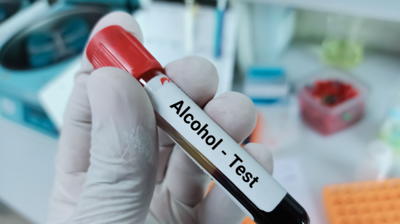
- Breathalyzer testing: This test is specifically useful for alcohol detection and is especially valuable in DOT-regulated environments or post-accident situations where immediate results are needed.
Testing panels can be tailored to an employer's specific needs, with options such as:
- 5-panel: This standard test includes screening for THC, cocaine, opiates, amphetamines, and PCP, covering the most commonly abused substances in workplace settings.
- 10-panel: This expanded panel includes benzodiazepines, barbiturates, methadone, propoxyphene, methaqualone, and more, offering a broader assessment of potential substance use, particularly relevant in safety-sensitive industries.
- Marijuana-specific panels: These tests focus solely on detecting THC and are especially useful for employers navigating compliance in states where marijuana use is legal but workplace policies still require a drug-free environment.
DOT-regulated employers are required to conduct testing under certain circumstances, including:
- Pre-employment testing: Conducted before a candidate begins work, this test helps employers ensure that prospective hires meet drug-free workplace requirements and are immediately fit for duty.
- Random testing: Employees are selected at random for unannounced testing, which acts as a deterrent against drug use and supports ongoing compliance, particularly in regulated industries.
- Post-accident testing: This is administered after a workplace incident or injury to determine whether drugs or alcohol may have contributed, often required under DOT regulations and employer liability policies.
- Reasonable suspicion testing: Initiated when a supervisor observes specific, documented signs of drug or alcohol use, such as erratic behavior, slurred speech, or impaired coordination. This test must follow company policy and legal guidelines.
- Return-to-duty and follow-up testing: Used after an employee has completed a rehabilitation or disciplinary program, these tests help confirm ongoing sobriety and may be scheduled at random intervals as part of a structured follow-up plan.
Legal and Regulatory Considerations
Employers must stay compliant with a combination of federal, state, and organizational regulations when implementing drug testing programs.
DOT Regulations
DOT-mandated testing must follow 49 CFR Part 40, which includes collection procedures, laboratory analysis, and Medical Review Officer requirements.
SAMHSA Standards
Federal employers and contractors must follow Substance Abuse and Mental Health Services Administration (SAMHSA) guidelines, which govern specimen collection, approved labs, and confidentiality.
EEOC and State Laws
Employers should also ensure that testing practices comply with Equal Employment Opportunity Commission (EEOC) guidance and their state’s labor laws. These laws vary in terms of when testing is allowed, who pays, and how results can be used.
Steps to Implement a Drug-Free Workplace Policy with Mobile Testing
A structured testing policy paired with mobile services can protect your business from liability and keep employees safe.
1. Draft a Policy
Define your program’s purpose, who will be tested, types of tests used, frequency, employee rights, and disciplinary actions.
2. Partner with a reliable provider
Select a mobile testing company like Fastest Labs with experience in both DOT and non-DOT testing and robust documentation protocols.
4. Educate your workforce
Ensure employees understand the policy, testing process, and consequences of non-compliance.
5. Schedule regular testing
Plan recurring random tests, pre-employment screens, or scheduled safety audits based on your operational needs.
6. Document and review
Maintain records of all testing and audit your policy annually to ensure it aligns with current laws and business needs.
7. Support employee health
Provide access to employee assistance programs or substance abuse resources when needed.
Industries That Benefit Most from Mobile Drug Testing
Industries that rely on safety-sensitive roles or operate across multiple worksites see the greatest advantages from on-site testing. These include:
- Transportation: Keeps drivers compliant and ready for DOT checks
- Construction: High-risk job sites require swift post-incident response
- Manufacturing: Helps maintain OSHA safety standards and insurance compliance
- Logistics and warehousing: Mobile testing minimizes disruptions in shift-based workforces
- Oil and gas: Remote or off-grid worksites benefit from on-demand testing capabilities
Mobile Drug Testing FAQs
How Much Does It Cost To Send an Employee For a Drug Test?
Costs vary depending on the type of test and the provider. On-site testing often saves money by eliminating travel time and lost productivity.
What Is Reasonable Suspicion Drug Testing for Remote Employees?
It involves documented observations, such as slurred speech or erratic behavior, that indicate possible substance use. Mobile testing allows employers to act swiftly, even in remote environments.
Can an Employer Make an Employee Pay for a Drug Test?
This depends on state law. Some states prohibit employers from requiring employees to cover testing costs. Always check local labor regulations before implementing a policy.
Partner With Fastest Labs for Safe, Efficient Mobile Drug Testing Solutions
Fastest Labs makes it easy for employers to maintain safe, drug-free workplaces without disrupting operations. Our mobile drug testing solutions are fast, discreet, and fully compliant with DOT and non-DOT regulations.
Whether you need one-time post-accident testing or a full random program across multiple locations, our team delivers trusted service directly to you. Find a Fastest Labs near you to schedule mobile drug testing services that fit your business’s needs.