
Types of Alcohol Tests: Methods, Detection Windows, and Accuracy
Excessive alcohol consumption is more prevalent than many realize. In fact, approximately 16.4 million U.S. adults report engaging in heavy alcohol consumption each month, according to the 2023 National Survey on Drug Use and Health, published by the Substance Abuse and Mental Health Services Administration (SAMHSA).
Alcohol misuse contributes to serious safety risks in the workplace — especially in safety-sensitive roles. It’s essential for employers to understand the types of alcohol tests available and when to use them. In this guide, we’ll walk through the different types of alcohol tests, their detection windows, and how each testing method works. We’ll also explain the science behind alcohol biomarkers and why understanding them is key to making informed workplace decisions.
Why Test for Alcohol?
Workplaces are directly impacted by this trend. Data from the National Safety Council (NSC) reveals that roughly one in eleven U.S. workers (9%) experience a substance use disorder (SUD), with alcohol use disorder (AUD) accounting for more than three-quarters (6.7%) of these cases. Industries like transportation, logistics, and aviation face elevated risks, with alcohol misuse linked to impaired performance, workplace accidents, and in severe cases, fatal incidents affecting employees, co-workers, and the public.
Alcohol testing serves two primary purposes: reducing risks by identifying impairment and supporting workers through accountability programs and addiction treatment. By understanding the various types of alcohol tests and their applications, employers can make informed decisions that protect their workforce and promote healthier workplace environments.
Understanding Alcohol Biomarkers
Alcohol testing relies on biomarkers — or biological indicators that reveal alcohol consumption or its physiological effects. The type of biomarker used varies by test and impacts what the test detects, how long after alcohol consumption it remains detectable, and what level of alcohol use it can identify.
Biomarkers are generally categorized into two types: direct biomarkers and indirect biomarkers.
Direct biomarkers detect ethanol or alcohol metabolites that appear in bodily fluids or tissues after consumption. The most commonly used direct biomarkers include:
- Ethanol, the intoxicating component of alcoholic beverages, detected in breath, blood, and saliva alcohol tests
- Ethyl Glucuronide (EtG) and Ethyl Sulfate (EtS), non-volatile, water-soluble metabolites detectable in urine, hair, and nails
The latter group of biomarkers extend the detection window beyond what traditional breath or blood alcohol tests provide, often up to 80 hours for urine and up to 90 days for hair.
Indirect biomarkers identify physiological changes caused by regular or chronic alcohol use. These do not detect alcohol itself but reflect bodily responses to long-term consumption. Common indirect markers include:
- Carbohydrate-Deficient Transferrin (CDT): Elevated in individuals with chronic heavy alcohol consumption
- Phosphatidylethanol (PEth): A highly specific marker of prolonged alcohol use, detectable in blood for up to 3–4 weeks
- Gamma-Glutamyl Transferase (GGT), Mean Corpuscular Volume (MCV), Aspartate Aminotransferase (AST), and Alanine Aminotransferase (ALT): Broader indicators of liver strain or damage related to alcohol abuse
Toxic Alcohol Levels and Real-Time Testing
It’s also important to recognize the risks of toxic alcohol levels. Blood alcohol concentrations (BAC) exceeding 250 mg/dL can cause severe impairment, loss of consciousness, and in extreme cases, respiratory depression or death. Tests that measure BAC in real time — such as breath alcohol testing or blood alcohol testing — are critical for immediate safety assessments in workplaces and legal settings.
Fastest Labs offers testing options that capture both direct and indirect biomarkers, ensuring accurate detection tailored to the specific needs of employers, courts, and healthcare providers.
7 Types of Alcohol Tests
Here are the seven most common types of alcohol tests and why you’d use each one:
1. Breath Alcohol Test
The breath alcohol test, commonly known as the breathalyzer test, measures BAC in real time by analyzing alcohol content in exhaled breath. It is one of the fastest methods of alcohol testing, providing immediate results.
This type of alcohol test is widely used in roadside testing by law enforcement and workplace testing for DOT compliance. Employers also use breath tests for reasonable suspicion scenarios and post-accident testing because it quickly identifies current impairment.
Detection time for a breath alcohol test is relatively short, usually up to 12 hours after alcohol consumption. Despite the limited window, its ability to measure alcohol concentration on the spot makes it a trusted method for enforcing workplace safety and transportation regulations.
2. Urine Alcohol Test (EtG/EtS)
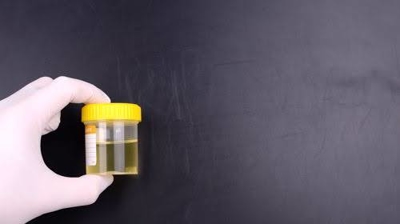
Urine alcohol testing, particularly through EtG) and EtS testing, is a common option for identifying recent alcohol use. Unlike breath alcohol tests, urine alcohol testing identifies alcohol metabolites rather than ethanol itself, providing a longer detection window.
EtG testing can detect alcohol use for up to 80 hours after drinking, making it useful for workplace drug testing, post-accident screening, and court-ordered alcohol monitoring. Urine alcohol tests are often used in family law cases, addiction treatment programs, and probation compliance.
Because this method detects the byproducts of alcohol metabolism, it is sensitive enough to identify recent alcohol consumption even after BAC has returned to zero. However, factors like hydration levels and urine dilution can affect the test result, which is why employers often combine urine alcohol testing with other testing methods for improved accuracy.
3. Saliva Alcohol Test
Saliva alcohol testing uses an oral fluid sample to detect ethanol, the intoxicating component of alcoholic beverages. Like breath alcohol tests, this method is quick, non-invasive, and convenient, but it provides the additional advantage of collecting a biological sample.
Detection windows for saliva alcohol testing generally range up to 24 hours after drinking, depending on alcohol use patterns and individual metabolism rates. Because it measures alcohol concentration in real time, saliva testing is ideal for workplace alcohol testing programs, sports drug testing, and random testing scenarios where speed and ease of collection are priorities.
Although similar in purpose to breath tests, saliva testing can be less susceptible to environmental contamination, providing employers with a reliable method of alcohol screening during pre-employment, reasonable suspicion, and post-incident assessments.
4. Hair Alcohol Test
Hair testing is designed to detect long-term alcohol use by identifying EtG deposited in hair strands. This type of alcohol test is not intended to detect recent alcohol consumption but rather provides insights into chronic patterns of alcohol use over extended periods.
Detection windows for hair alcohol testing can extend up to 90 days after drinking, depending on hair length and growth rate. Because of its long detection window, hair testing is commonly used in legal cases, such as family court proceedings, child custody disputes, and substance abuse monitoring programs. It is also used in workplace alcohol testing for safety-sensitive industries where sustained abstinence is required.
Hair alcohol testing is not suitable for identifying recent impairment but is valuable when evaluating historical alcohol consumption behaviors.5. Nail Alcohol Test
5. Nail Alcohol Test
Nail testing provides one of the longest detection windows for alcohol use. Like hair testing, it identifies EtG deposited in keratin, but alcohol metabolites can remain in nail samples for up to six months, offering a broader timeframe for monitoring substance use.
Nail alcohol testing is particularly useful in legal and clinical settings, including custody evaluations, addiction recovery programs, and family law cases. It is also used in healthcare environments to assess long-term alcohol consumption patterns in patients undergoing addiction treatment.
Nail testing complements other alcohol testing methods by offering historical insight into alcohol use without relying on self-reports or short-term testing results.
6. Blood Alcohol Test
A blood alcohol test directly measures ethanol in the bloodstream, providing a precise measurement of current intoxication levels. It is considered one of the most accurate methods of alcohol testing, making it a preferred choice in medical settings and legal investigations.
The detection window for blood alcohol tests is typically up to 12 hours after alcohol consumption. Healthcare providers frequently use BAC testing in emergency rooms, particularly in cases of suspected alcohol poisoning. Law enforcement often relies on blood alcohol tests during DUI investigations, especially when breath tests are inconclusive or legally challenged.
7. Phosphatidylethanol (PEth) Blood Test
The PEth blood test identifies Phosphatidylethanol, a direct biomarker of heavy and chronic alcohol consumption. PEth is only formed in the body in the presence of alcohol, making this alcohol test highly specific to alcohol use.
PEth testing can detect alcohol use up to three to four weeks after consumption. It is widely used in medical and legal settings to monitor abstinence in substance abuse programs, pre-transplant evaluations, and mental health treatment centers. Due to its specificity, PEth testing is less likely to yield false positives from incidental alcohol exposure, such as mouthwash use.
Combining Tests for Better Results
No single alcohol test offers a complete picture. Each method comes with limitations — some detect only recent alcohol consumption, while others miss short-term use entirely. By combining direct biomarkers like EtG with indirect markers such as PEth, testing becomes more reliable.
Multi-test strategies are especially important in legal cases and addiction treatment, where accuracy has real consequences. In workplace settings, for example, employers often pair a breath alcohol test with an EtG urine alcohol test. This approach helps verify recent alcohol use while supporting long-term accountability, providing clearer evidence before taking disciplinary action.
Factors Influencing Test Accuracy
Alcohol testing accuracy can vary based on biological differences like metabolism, age, or health conditions. Time since last drink, improper sample handling, or incidental alcohol exposure (like mouthwash use) can also influence some test results. That’s why working with certified labs like Fastest Labs is crucial to ensure consistent, reliable testing outcomes.
Access the Right Type of Alcohol Testing With Fastest Labs
Fastest Labs offers certified, professional alcohol testing tailored to workplace, legal, and healthcare needs. With nationwide locations and mobile services, you’ll get quick, dependable results.
.0000000000000.jpg)