

How To Prepare for a Drug Test: What To Know Before You Go
Drug testing is a common requirement across a wide range of industries, whether it’s part of a pre-employment screening, a routine workplace compliance program, or a post-incident investigation. Regardless of the reason, it’s natural to feel some anxiety before your test — especially if you're unsure what to expect. Being properly prepared can reduce stress, ensure an accurate drug test result, and help testing go as smoothly as possible.
Whether you're an employee, job applicant, or someone undergoing testing for legal or medical reasons, this guide will walk you through how to prepare for a drug test, what different testing methods involve, what substances may be screened for, and what you should and should not do leading up to your appointment.
Drug Tests: The Basics
Drug tests are used to detect the presence of legal or illegal substances in a person’s system. Substance use of interest may include prescription drugs, illicit drugs, and alcohol. Common reasons for drug testing include:
- Employment drug test screening
- Legal or court-ordered drug testing
- Athletic eligibility
- Medical diagnostics or monitoring
Employers often require drug testing to support workplace safety, maintain compliance with federal or industry-specific regulations, improve productivity, and reduce liability or insurance costs. Drug testing programs are especially prevalent in industries regulated by the Department of Transportation (DOT), construction, healthcare, and manufacturing.
Drugs commonly screened include:
- Amphetamines, including methamphetamine and MDMA
- Barbiturates, such as phenobarbital
- Benzodiazepines, such as alprazolam and clonazepam
- Cocaine
- Marijuana or Cannabis (THC)
- Opioids and opiates, including heroin, morphine, codeine, oxycodone, hydrocodone, and fentanyl
- PCP (phencyclidine)
- Anabolic steroids
Detection times vary. Some substances may appear in a test within hours, while others remain in the system for several days or more. Variables include the type of drug, dosage, frequency of use, and your body's metabolism.
A typical drug test appointment includes check-in, identity verification, sample collection, and proper chain-of-custody handling to maintain test integrity. Depending on the test type, you may be monitored or instructed to follow specific procedures. These steps ensure the sample is not contaminated and help maintain the proper chain of custody to reduce the chance of tampering.
Different Types of Drug Tests
Not all drug tests are the same. Different tests have their own strengths, detection windows, and preparation tips.
Urine Drug Testing
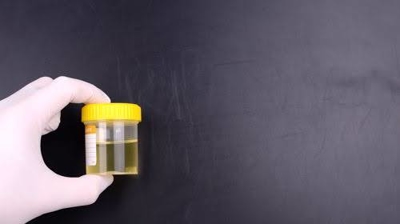
A urine drug test is the most common method for workplace drug screening. It detects recent drug use (from two to more than 30 days, depending on the substance), is typically non-invasive, and screens for a wide range of substances depending on the panel requested.
What to expect:
- You'll be asked to provide a urine sample in a secure, private restroom.
- Tamper-proof measures are often in place for urine testing, such as blue dye in the toilet water or restricted access to sinks.
- Some employers may require observed collections, especially for return-to-duty or DOT-regulated tests.
Preparation tips:
- Stay hydrated, but avoid excessive water intake
- Avoid diuretics like caffeine before the test
- Schedule the test midmorning, when urine is typically more concentrated
Hair Follicle Testing
A hair test provides a longer detection window (up to 90 days) and is less vulnerable to tampering. It’s frequently used in industries with zero-tolerance policies.
What to expect:
- A small sample of hair is cut from your head, typically close to the scalp.
- If head hair is not available, body hair may be used.
- Shampooing, dyeing, or styling will not affect test results.
Preparation tips:
- Avoid chemical hair treatments, such as bleach, dye, or relaxers
- Ensure your hair is at least 1.5 inches long
Saliva (Oral Fluid) Testing
Saliva testing is gaining popularity due to its non-invasive nature and short detection window of a few hours to about two days. The DOT finalized a rule approving oral fluid testing; however, implementation is contingent on the Department of Health and Human Services certifying at least two testing labs. This test involves collecting a sample of saliva using a swab placed in your mouth. It's ideal for detecting recent drug use and is commonly used for post-accident or reasonable suspicion testing.
What to expect:
- A technician will supervise as you place a swab under your tongue or in your cheek.
- The collection takes just a few minutes.
- Eating, drinking, or smoking should be avoided for 10–30 minutes beforehand.
Preparation tips:
- Do not eat or drink (other than water) for at least 15–30 minutes beforehand
- Brush your teeth and use mouthwash
Blood Testing
A blood test is the most accurate but least commonly used method for detecting drug use. It measures the active presence of drugs in the bloodstream, making it ideal for post-accident investigations, medical emergencies, or cases where immediate impairment must be determined.
What to expect:
- A trained technician will draw a small sample of blood from your arm using a needle and a collection vial
- The process typically takes just a few minutes
- Results can detect drug use within minutes to a few hours of ingestion
Preparation tips:
- Stay well-hydrated to make vein access easier
- Avoid caffeine or strenuous activity before your test if instructed
- Follow any fasting guidelines provided by your employer or test administrator
Sweat Testing
Sweat testing involves applying a dermal patch to collect perspiration over an extended period, typically seven to 14 days. It is commonly used in court-ordered monitoring, substance abuse treatment programs, and long-term observation scenarios.
What to expect:
- A technician will apply a tamper-evident patch to your upper arm or torso
- The patch must remain in place for the full wear period to collect continuous sweat samples
- You’ll return for patch removal and lab analysis at the end of the monitoring period
Preparation tips:
- Ensure your skin is clean, dry, and free of lotions or oils before application
- Avoid vigorous activity or anything that could dislodge or damage the patch
- Follow care instructions carefully to prevent contamination or invalidation of results
Preparing for a Drug Test: 7 Key Steps
Understanding the testing process and taking proactive steps can help you prepare for a drug test and ensure a smooth experience. These steps benefit not only individuals being tested but also employers looking to maintain a streamlined and professional testing process.
1. Know What Test You’ll Be Taking
Contact your employer, legal representative, or testing provider to confirm what type of test will be administered. Each method has different prep requirements. Knowing what to expect avoids confusion or unintentional missteps.
2. Gather Required Documents
Ensure you have everything needed before arriving, such as:
- Government-issued photo ID
- Test authorization form (if required)
- Employer or agency details (if applicable)
3. Avoid Risky Behaviors Before Testing
Certain foods and behaviors can affect your drug test results. Avoid overhydrating, eating poppy seeds, or using CBD products, as these can cause false positives or diluted samples. Most importantly, do not use recreational or unprescribed substances before your test.
4. Check Medications and Supplements
Some prescription medications and over-the-counter medications can trigger positive test results. Make a list of all medications and supplements you take and share it with the testing technician. This helps ensure any unexpected results are accurately reviewed by a Medical Review Officer (MRO).
5. Follow the Instructions Carefully
Your testing provider may give specific instructions, such as fasting or avoiding certain foods and drinks. Following these guidelines exactly is essential to avoid delays or invalid test results. Ignoring instructions can compromise your test and affect employment or legal outcomes.
6. Time Your Appointment Appropriately
Schedule your test when you feel relaxed and prepared, allowing enough time for travel. Avoid early mornings as hydration is often at its lowest. Similarly, avoid testing directly after heavy exercise, as this can influence test accuracy. Planning helps reduce stress and ensures a smoother testing experience.
7. Understand Detection Windows
Different substances remain in your body for varying lengths of time, influenced by drug type, usage, and metabolism. Drinking lots of water or using detox products won’t guarantee a negative result and may raise suspicion. Only time and abstinence reliably clear substances from your system.
Understanding Possible Outcomes and Timelines
Once your drug test is complete, your results will fall into one of several categories. Knowing what each outcome means can help you prepare for the next steps, especially if follow-up testing is required.
Possible outcomes include:
- Negative result: No drugs were detected, or the levels were within medically acceptable thresholds.
- Positive result: One or more substances were detected. This typically triggers a secondary confirmation test, especially in regulated settings.
- Diluted result: The sample is too watered down to produce reliable results. This usually requires a retest.
Typical reporting timeframes vary based on the testing method:
- Rapid screening: Including point-of-collection urine or saliva tests, results are usually available within the same day or up to 48 hours.
- Lab-confirmed testing: Confirmation of a positive or negative result may take three to seven business days.
In most cases, test results are sent directly to the employer, MRO, or requesting agency. You’ll be notified once they've reviewed the report and are ready to share the outcome.
On-site testing, rather than at a testing facility, can expedite the process, especially when multiple employees are present in the same session. Lab testing, while slower, may be required for confirmation or legal documentation.
Find a Fast, Reliable Testing Location Near You
Facing a drug test doesn’t have to be overwhelming. Whether it’s for a new job, legal obligations, or medical reasons, knowing what to expect and how to get ready can make all the difference.
Proper preparation not only reduces stress but also helps ensure that your drug test results are accurate and reliable. Whether your test is conducted on-site or at a lab, choosing an accredited provider guarantees compliance with regulations and smooth, efficient processing.
From pre-employment screenings to return-to-duty evaluations, Fastest Labs delivers comprehensive solutions to keep your workplace safe and compliant. Ready to get started? Find a Fastest Labs location near you and take the first step with confidence.
FAQs
Q: What Should You Not Do Before a Urine Test?
Avoid drinking excessive water, consuming poppy seeds, or taking unknown supplements.
Q: How Can I Make Sure I Pass My Drug Test?
Abstain from prohibited substances, follow preparation instructions, and be honest about any medications.
Q: How can I Prepare For a Urine Drug Test?
Follow the technician's instructions carefully and provide a midstream sample. Avoid overhydration.
Q: How Does the Appointment-Scheduling Process Usually Work?
Your employer may schedule for you or give you a timeframe to schedule on your own.
Q: What Documents or Forms Are Typically Required for a Drug Test?
Bring a valid photo ID, any test authorization forms, and employer or agency details if needed.

.0000000000000.jpg)