

The Connection Between Drug Use, Safety Risk, & Workers’ Comp Claims
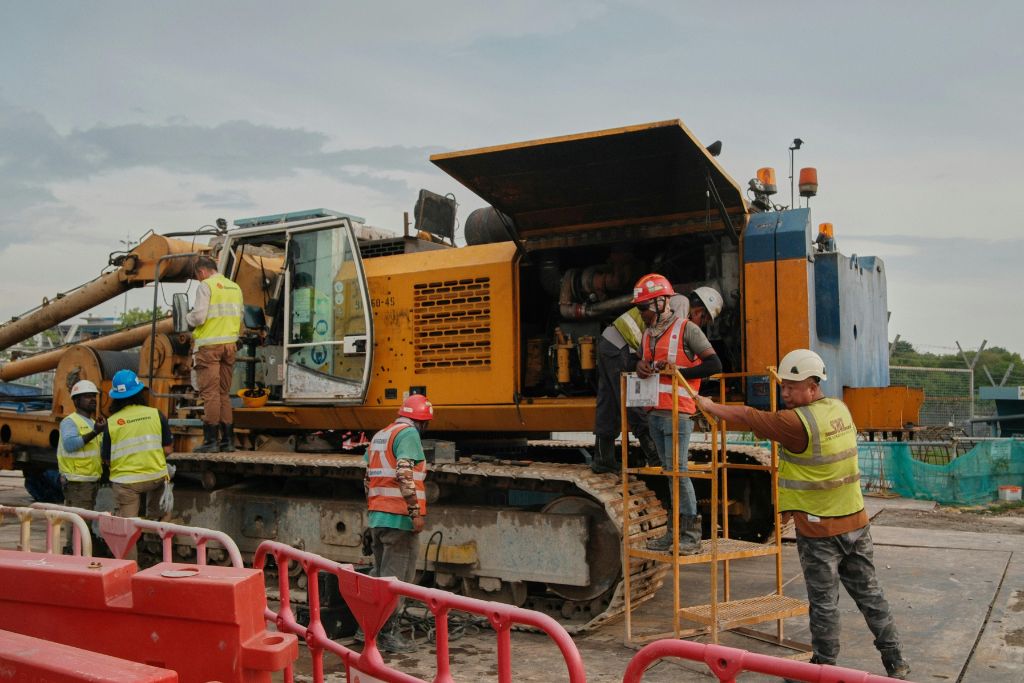
Workers under the influence of drugs or alcohol are more likely to make errors that would lead to multiple different accidents. Accidents that often lead to injuries that in turn would trigger workers’ compensation claims.
Over time, that reputation for claims increases your company’s loss history. This is one of the data insurers use to set your premium. To put it simply, fewer accidents mean fewer claims. Fewer claims build a better loss history and a better loss history would lead to lower premiums. Lower premiums, less cost for your business.
How Insurance Providers Use Drug Testing to Discount Premiums
Many insurers and rating organizations give policy credits, discounts, or favorable adjustments to employers who maintain rigorous safety programs. Drug testing programs are seen as part of that safety framework.
In Idaho, workers’ compensation rates are managed via the Industrial Commission of Idaho, using rates filed through NCCI.
For example, Idaho’s 2025 filing shows a –6.7% rate decrease in the voluntary market.
While that’s a general decrease, individual employers with stronger safety and drug testing programs may enjoy further downward adjustments.
Insurers view drug testing as a preventive control. It demonstrates your commitment to risk management, which can give you leverage during premium negotiations or eligibility for safety credits.
Risks, Pitfalls & Things to Watch Out For
- Initial cost hurdle - Some managers balk at upfront expense. But consider it an investment in claims reduction and premium leverage.
- Implementation missteps - Poor sample integrity, inconsistent policies, or flawed program design can ruin credibility.
- Regulatory compliance - You must follow state and federal rules (e.g. for consent, privacy).
- Insurer acceptance - Not all insurers will factor in your program equally. You must present results and negotiate.
Consistency, transparency, and data. These are the most important factors. If your program is well run and documented, insurers will often view it more favorably.
How Fastest Labs of Boise Can Help with Your Premium‑Reducing Strategy
- Program Design & Management
We help you build a program (policy, frequency, types of tests) that meets federal, state, and industry standards. We stay updated on regulatory changes so your program doesn’t slip.
- On‑Site & Mobile Testing
We can bring testing to your workplace to reduce downtime and keep things efficient.
- Employee Monitoring & Random Testing
We offer random testing, post‑accident, for‑cause, and follow‑up testing, all while maintaining confidentiality and compliance.|
- Reliable Data & Reporting
Accuracy, consistent methods, and transparent reports help you build evidence of your program’s effectiveness.
- Employer Services Package
Beyond testing, we offer support services (e.g. background checks) so your HR/safety team has fewer vendors to manage.
By partnering with Fastest Labs of Boise, you can minimize the “execution risk” that insurers sometimes discount heavily.
Cut back on that business expense. Contact us now at (208) 408-8197.
Sources:
National Council on Compensation Insurance, Inc. (2025, January). Idaho 1.1.2025 rate filing [PDF]. Idaho Industrial Commission. https://iic.idaho.gov/wp-content/uploads/2025/01/NCCI-ID-1.1.2025-Rate-Filing.pdf